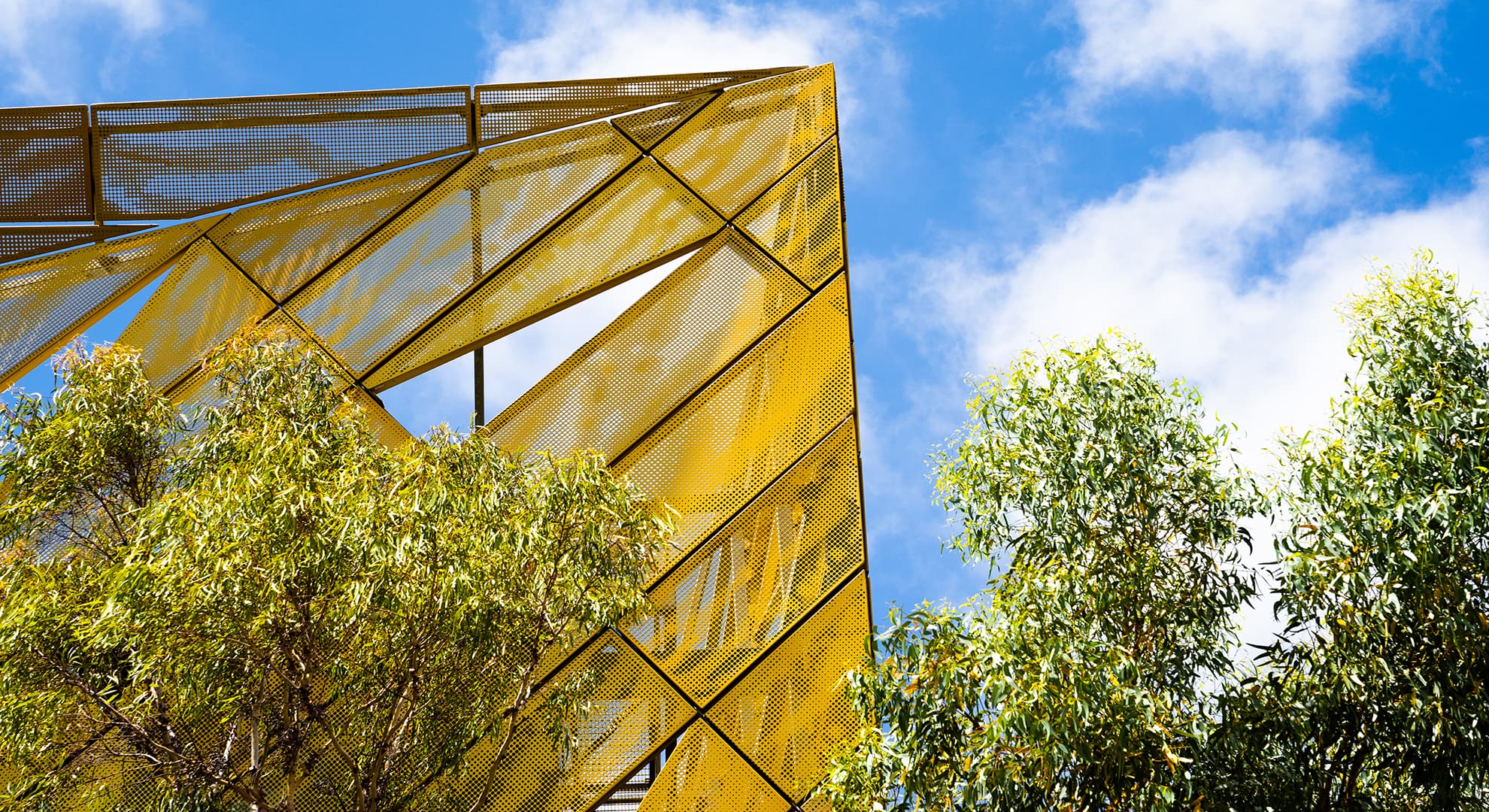
 Exterior of Building 34 at the Joondalup Campus.
Four of Edith Cowan University's (ECU's) researchers have been recognised in The Australian's annual Research magazine.
The annual Research magazine publishes extensive and detailed lists about Australia's research performance, the core of which is the Top 250 list of researchers and institutions, which has been published since 2018.
"The Top 250 list opens a window into the breadth and depth of Australian research. It rewards institutional performance and shines a light on many researchers of outstanding quality who may otherwise not receive the attention they deserve," Research magazine editor Tim Dodd said.
The 2027 Research magazine has named three ECU researchers as Australia's top researchers in their field.
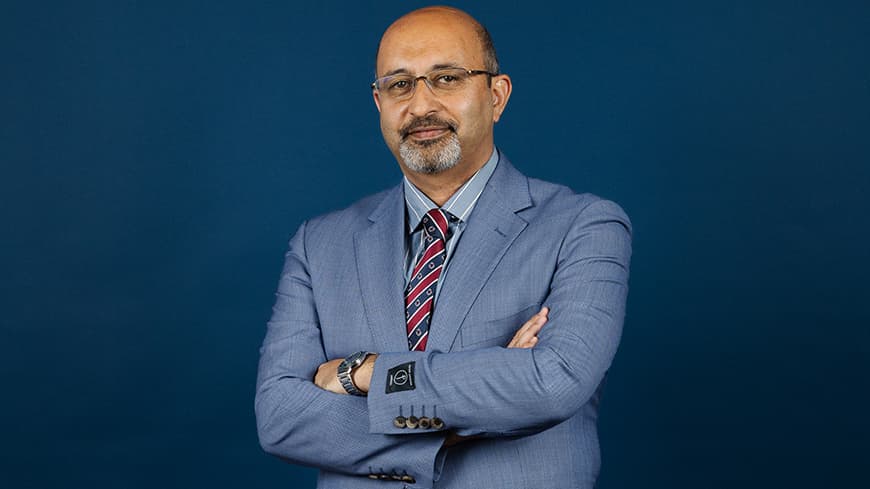 Professor S Mostafa Rasoolimanesh.
Professor S Mostafa Rasoolimanesh, from the School of Business and Law, has been recognised for his contribution to Tourism & Hospitality research.
Professor Rasoolimanesh is a Vice-Chancellor Professorial Research Fellow and Professor of Sustainable Tourism at ECU, bringing around 25 years of academic and industry experience.
His research spans sustainable and heritage tourism, community development and urban sustainability, alongside research methodologies and analytical techniques. He has published extensively in these areas and was recently named among the top two per cent of scientists globally in the annual Stanford-Elsevier study.
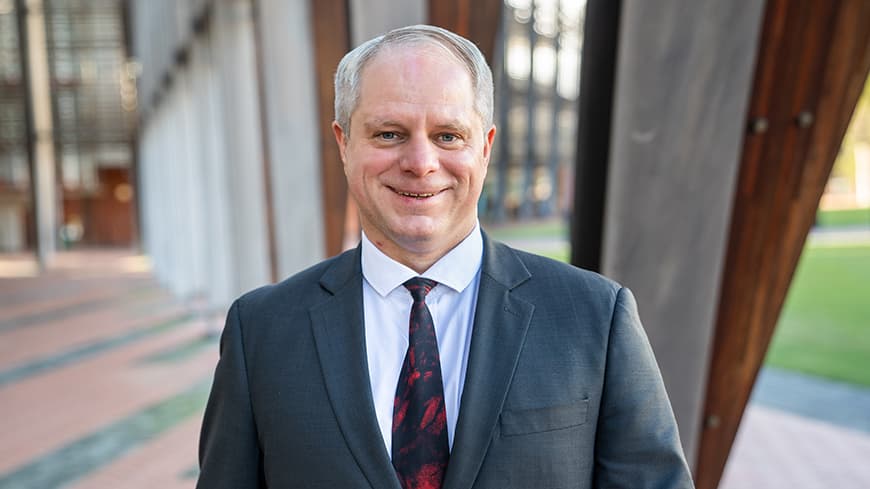 Professor Stefan Iglauer.
Professor Stefan Iglauer, from the School of Engineering, has been recognised for his contribution to Oil, Petroleum & Natural Gas research.
Professor Stefan Iglauer is research leader of the Energy and Resources discipline, and Director of the Centre for Sustainable Energy and Resources. His research interests are in hydrogen production (biomass pyrolysis, water electrolysis), hydrogen storage (Geo-storage, absorption/chemical storage), and carbon capture, use and storage. He has authored more than 500 technical publications.
Professor Iglauer was recently ranked among the top 1,000 researchers globally in the annual Stanford-Elsevier study.
 Associate Professor Laurie Hughes.
Joining Professor Rasoolimanesh and Professor Iglauer on this year's Research magazine list is Associate Professor Laurie Hughes, from the School of Business and Law, in recognition for his research in the Engineering & Computer Science (general) field.
Associate Professor Hughes' research focuses on the disruption of industry and society through AI and digital adoption and decision making in disaster and crisis management scenarios within a project management context.
Associated Professor Hughes was also named among the top two per cent of scientists globally in the annual Stanford-Elsevier study this year.
 Professor Denise Jackson.
Meanwhile, Professor Denise Jackson, also from the School of Business and Law, is one of the 20 superstars of Australian research named in the Research magazine.
The superstars are the 20 researchers who have first-authored the most papers (published between 2000 and 2025) which are in the top one per cent in their field by citations.
As the Director of Work-Integrated Learning (WIL) in the School of Business and Law, Professor Jackson is focused on enhancing students' employability and career prospects through embedding meaningful work-based learning and industry and community engagement into the curriculum, as well as providing access to a range of employability-related activities.
Her research areas and areas of expertise include graduate employment and underemployment, work-integrated learning, graduate employability, career development learning and professional identity development, and graduate workplace performance.
Deputy Vice-Chancellor (Research) Professor Paulo de Souza said the recognition highlighted the strength, quality and relevance of research being undertaken across ECU.
"This recognition is a testament to the calibre of our researchers and the growing significance of their work, and I congratulate them on this outstanding achievement.
"Being identified among Australia's leading researchers reflects the depth of expertise across our University and the important contributions our researchers are making to industry, society and communities.
"It is particularly pleasing to see this expertise recognised across such diverse fields, with much of this work addressing some of the most pressing issues facing our communities today, while also opening up opportunities in areas with the potential to drive future economic growth for Western Australia," he said.