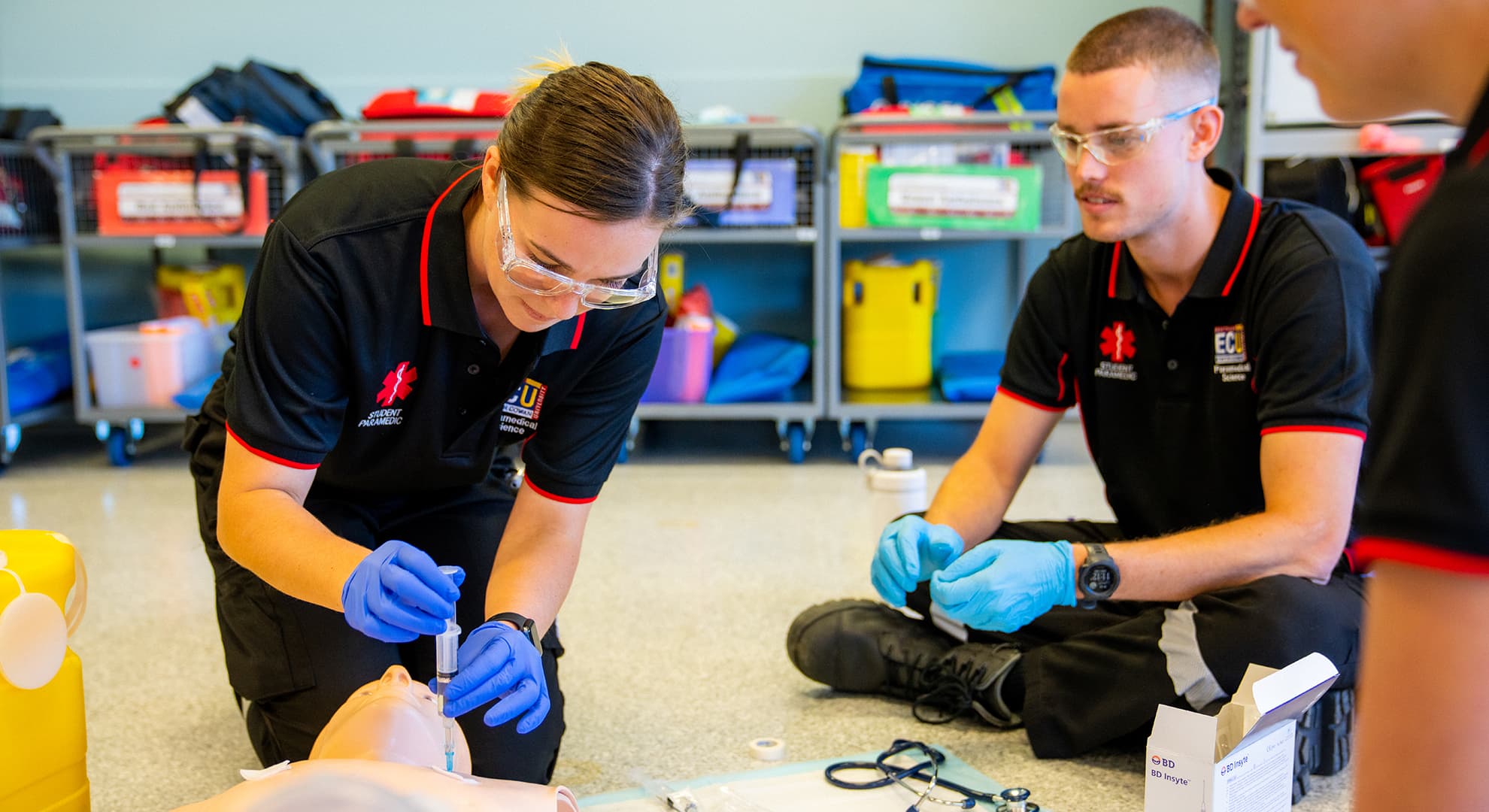
 ECU's Paramedicine students learning life-saving skills
Edith Cowan University (ECU) is set to strengthen the regional health workforce with the launch of a new pathway enabling eligible nurses to qualify as paramedics and become eligible for Registration with the Paramedicine Board of Australia.
The course commences at ECU's South-West campus in Bunbury from Semester 2 which begins in July.
Designed specifically for registered nurses living and working in rural and remote communities, the innovative program allows them to complete their Bachelor of Paramedical Science part-time in just 18 months while continuing to work.
The pathway responds directly to the growing need for flexible, multi-skilled healthcare professionals in regional Western Australia.
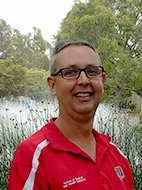
"This recognises the high level of expertise nurses already bring to the healthcare system. They are highly trained professionals who can quickly expand their skill set to paramedicine," Associate Dean of Allied Health Dr David Reid said.
"By supporting nurses to become qualified paramedics, we are strengthening emergency response capability and improving access to care in regional and rural communities."
"This innovative course supports the recommendations in the Cormack Review, facilitating highly trained healthcare professionals to utilise their full scope of practice for the benefit of rural and remote communities."
Eligible applicants must be registered with the Nursing and Midwifery Board of Australia without conditions, have achieved a minimum academic standard, and reside in an eligible rural or remote area.
Graduates will gain credit for many of their existing units, enabling them to graduate with a paramedicine qualification.
The program includes hands-on emergency and primary care work integrated learning with WA-based rural healthcare providers, equipping students with the clinical skills, confidence and adaptability required to respond to high-pressure emergency situations.
"Regional healthcare demands versatility," Dr Reid said.
"This program creates highly capable practitioners who can respond to a wide range of situations, making them invaluable members of local health service teams."