 iStock - carokuki.
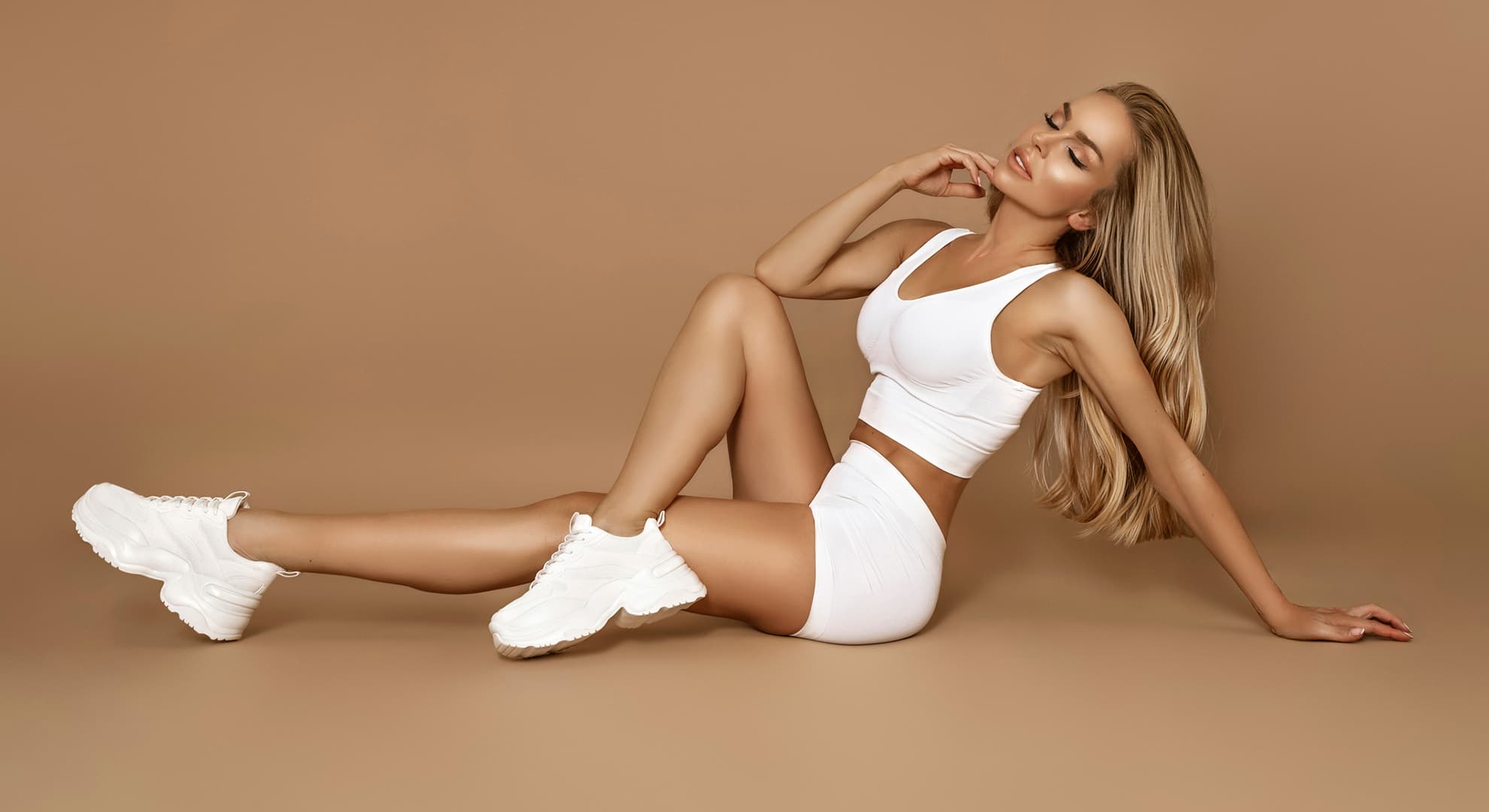
Activewear has become an everyday staple for many Australian women, but new Edith Cowan University (ECU) research suggests it may be contributing to unexpected pressures around body image and appearance.
Led by psychology researcher Dr Ross Hollett, the study surveyed more than 800 women to understand how often activewear is worn, where it is worn, and how it relates to fitness habits, body image, and psychological wellbeing. The study examined not just exercise clothing, but the broader activewear lifestyle that now dominates gyms, social media, and everyday fashion.
More than just workout clothes
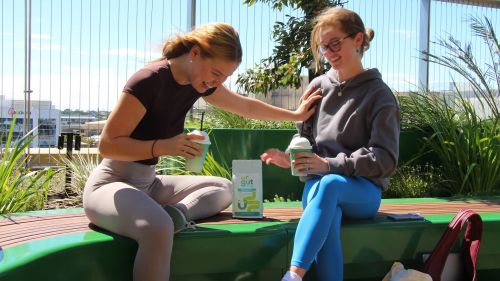
The research found activewear is worn for exercise less than half the time, with most use happening during everyday activities like shopping, studying and relaxing. Only about 1 in 10 women wore activewear exclusively for exercise.
"Gyms are no longer just fitness spaces they've become highly visible social environments where shifting fashion norms apply," Dr Hollett said.
"This makes clothing choices feel more socially loaded and invites higher levels of judgment."
Exercise doesn't equal confidence
Women who engaged more with activewear, by wearing it, buying it or following brands online, tended to exercise more. However, this didn't correspond with higher self-esteem or greater body confidence.
"Being more active doesn't automatically mean feeling better about your body," Dr Hollett said.
"This finding challenges the idea that certain types of gym clothing are inherently empowering."
Self-consciousness and comparison
Almost one in three women reported feeling self-conscious at least half the time when wearing activewear.
The study also found higher engagement with activewear was linked to more body comparison, greater pressure from media ideals, and stronger desires to achieve a toned or 'deal' physique.
"When bodies are constantly visible, evaluated and compared, clothing can increase pressure rather than comfort, even for those who choose to wear it," Dr Hollett said.
"The issue isn't just about specific clothing. It's about a culture that encourages women to constantly assess and manage their appearance."
A complex debate
With gym dress codes becoming a hot topic, the findings suggest both sides of the debate have merit.
"Women should have the freedom to wear what they feel comfortable in," Dr Hollett said.
"But it's also true these environments can heighten body scrutiny and pressure."
He said the focus should be on creating spaces where people feel comfortable to exercise without judgment.
"Activewear can support healthy behaviours like exercise," Dr Hollett said.
"But we need to be aware of the psychological trade-offs and ensure environments support both physical and mental wellbeing."
The paper 'The Age of Activewear: Understanding Women's Casualized Athletic Apparel Habits through Associations with Psychological and Body Image Factors' was published in the Journal Behavioral Sciences.