
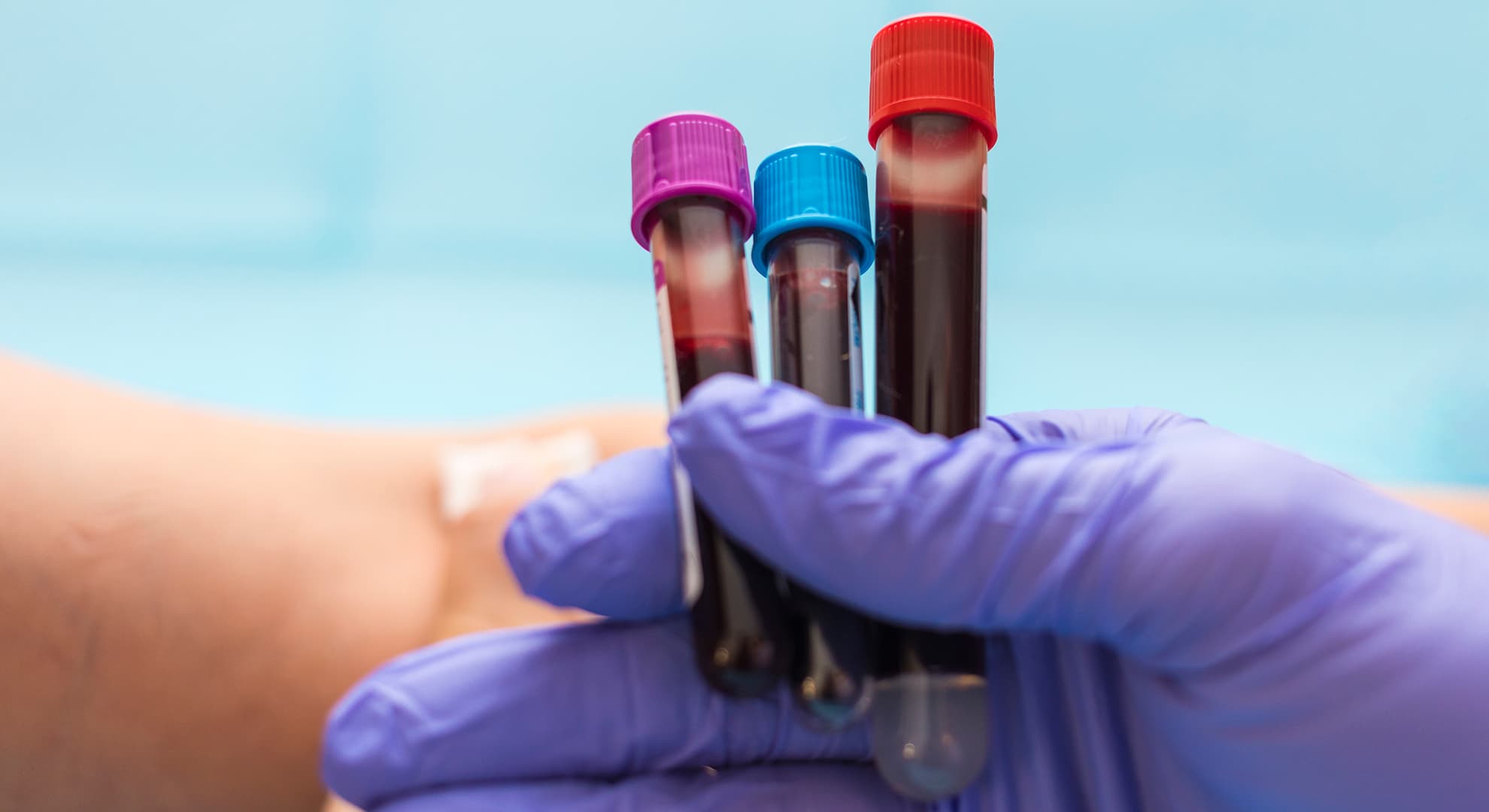
 A simple blood test could reveal a person's unique disease risks.
A new study by Edith Cowan University's (ECU's) School of Medical and Health Sciences, has shown sugar molecules in your body may reveal disease long before it's detected.
The research shines a spotlight on glycans - tiny, complex sugar chains that coat your cells and proteins.
For years, these sugar molecules were dismissed as little more than biological decoration.
Now, researchers say, they're anything but.
"Glycans aren't just sitting there. They're actively controlling how our immune system works and how diseases develop," ECU's Professor Wei Wang, who leads the Suboptimal Health and Glycomics research group within the Centre for Precision Health, said.
"We're finally seeing clear patterns, and it's a game changer."
Unlike your DNA, which barely changes over time, glycans are constantly shifting, reacting to your lifestyle, environment, and even hidden illness.
That makes them a real-time snapshot of your health - and potentially a powerful early warning system.
In fact, the study found glycan patterns in blood can predict diseases like type 2 diabetes up to 10 years before diagnosis.
"This flips medicine on its head," Professor Wang said.
Instead of waiting for people to get sick, we could spot the risk early and step in sooner.
Because glycan patterns are influenced by a complex mix of genetics, hormones and environmental factors, they're deeply individual, making them ideal for personalised healthcare.
"The glycome gives us a live window into how the body is changing," Professor Wang said.
"DNA can't do that."
In the future, a simple blood test could reveal your unique disease risks and guide tailored treatments.
Researchers caution there's still work to do.
Bigger long-term studies and global standards are needed before glycan testing becomes routine.
"We're at a turning point. If we get this right, it could transform how we diagnose and treat disease," Professor Wang said.
The article Large glycomics datasets as a tool to understand the function of glycans is published online in Nature Chemical Biology.