 "All In" is a reminder that reconciliation is shared work.
National Reconciliation Week, held annually from 27 May to 3 June, is a time for Indigenous and non-Indigenous Australians to reflect on our shared histories, strengthen relationships and commit to working together toward a more just and equitable future.
National Reconciliation Week takes place between two pivotal moments in Australia's history. The first is the 1967 Referendum, which recognised Aboriginal and Torres Strait Islander peoples within the Constitution and expanded the Federal Government's ability to legislate on their behalf. The second is the 1992 Mabo decision, which affirmed the continuing connection of Aboriginal and Torres Strait Islander peoples to Country and dismantled the myth of terra nullius ("land belonging to no one") in Australia prior to colonisation.
This year's National Reconciliation Week theme, All In, is a reminder that reconciliation is shared work. It asks all Australians to move beyond symbolic gestures and engage meaningfully with reconciliation in our communities, workplaces, classrooms and institutions.
For universities, this responsibility is particularly significant. As places of education, research and knowledge-sharing, universities help shape public understanding and have an important role in truth-telling and critical reflection.
Australian higher education systems have historically privileged Western ways of knowing, while Aboriginal and Torres Strait Islander knowledges, languages and perspectives were often excluded. The ongoing impacts of colonisation, including dispossession, racism, forced assimilation and structural inequity, continue to influence educational experiences and outcomes today.
National Reconciliation Week provides an important opportunity for universities to reflect on this history and consider how higher education can contribute to meaningful change.
Within universities, this can include creating culturally safer learning and working environments, embedding Aboriginal and Torres Strait Islander perspectives throughout teaching and research, supporting First Nations leadership, and building genuine partnerships grounded in reciprocity, respect and shared learning.
Importantly, reconciliation work cannot sit with Aboriginal and Torres Strait Islander peoples alone. Meaningful reconciliation requires collaboration, shared responsibility and a willingness to listen, learn and work alongside one another in ways that recognise the strength, knowledge and leadership Aboriginal and Torres Strait Islander peoples continue to hold.
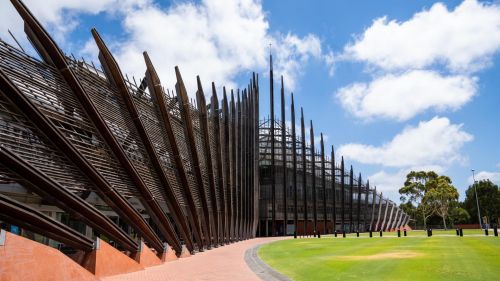
At Edith Cowan University (ECU), these conversations continue to shape approaches to teaching, research, community engagement and campus design. ECU's Strategic Plan 2026–2031 highlights commitments to belonging, partnership and positive impact, while initiatives such as the Cultural Narrative Framework and the integration of Aboriginal cultural narratives within ECU City Campus reflect broader efforts to connect learning environments more meaningfully with Country, culture and community.
ECU's support for the Uluru Statement from the Heart and endorsement of the Voice to Parliament also reflect the University's commitment to listening to and elevating Aboriginal and Torres Strait Islander voices in conversations about Australia's future.
ECU is proud to celebrate and recognise the contributions, leadership, cultures and knowledges of Aboriginal and Torres Strait Islander peoples, while continuing to strengthen relationships and work collaboratively toward reconciliation in meaningful and ongoing ways.
The recent Racism@Uni findings from the Australian Human Rights Commission also serve as an important reminder that reconciliation must be accompanied by active anti-racism work. Universities have a responsibility not only to support reconciliation in principle, but to actively challenge racism, discrimination and inequity within our institutions and communities.
For more information about National Reconciliation Week, visit the Reconciliation Australia website or the Reconciliation WA website.