 ECU researchers have launched the Seagrass Heatwave Collective, a network of seagrass researchers, practitioners and knowledge-holders from universities, government, community and industry.
A team of researchers from Edith Cowan University's (ECU's) Centre for Marine Ecosystems Research has launched a new initiative to help care for Western Australia's vital seagrass meadows.
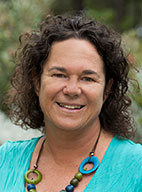
Professor Kathryn McMahon, Associate Dean of Research for the School of Science, Acting Director for Centre for People, Place and Planet and one of the four co-founders, said the Seagrass Heatwave Collective was created after the 2025 marine heatwave highlighted an urgent threat to seagrass meadows.
"This time last year there was an extreme marine heatwave in the north west of WA - the biggest most extreme that we have seen," Professor McMahon said. "This Collective has come together because we want to be connected, coordinated and ready to respond to future events so that we predict what might happen based on our research, and respond to what is happening."
Professor McMahon said protecting WA's seagrass meadows is a mammoth effort that requires many eyes on the water across the state.
"As WA is so big with thousands of kilometres of coastline, we need a collective of like-minded people to keep an eye on their local area and share information," she said. "The Seagrass Heatwave Collective aims to connect the seagrass community through coordinating observations and sharing knowledge, so we can better understand and respond to the impacts of marine heatwaves on these crucial ecosystems."
Along with fellow co-founders PhD student Nicole Said, Dr Marlene Wesselmann and Dr Simone Strydom, the team is at the forefront of seagrass research in Australia, including a recently published study on the thermal tolerances of various seagrasses.
"ECU is leading this because we have a core group of researchers understanding the response of seagrasses to marine heatwaves," Professor McMahon said. "But it is a joint effort, and we have garnered support and co-designed the Collective with representatives from across the state.
"We will continue to build the network and develop the information, shared resources, education and advocacy."
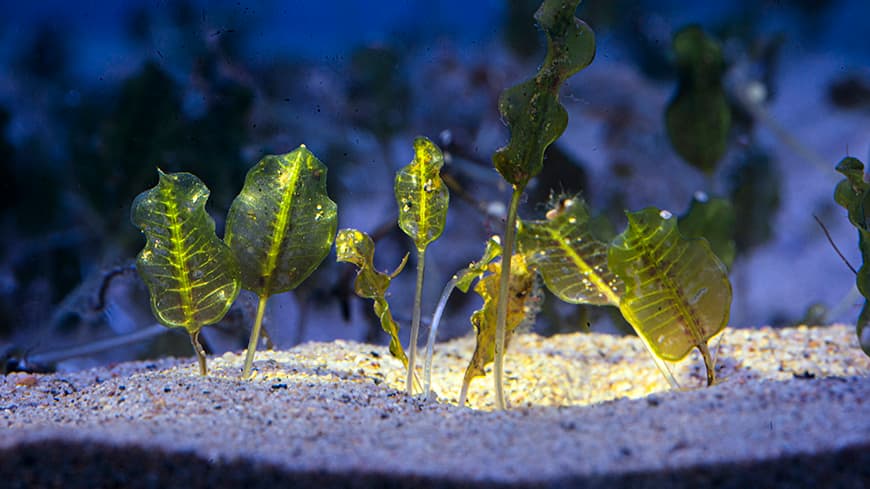 Credit: Giacomo d’Orlando
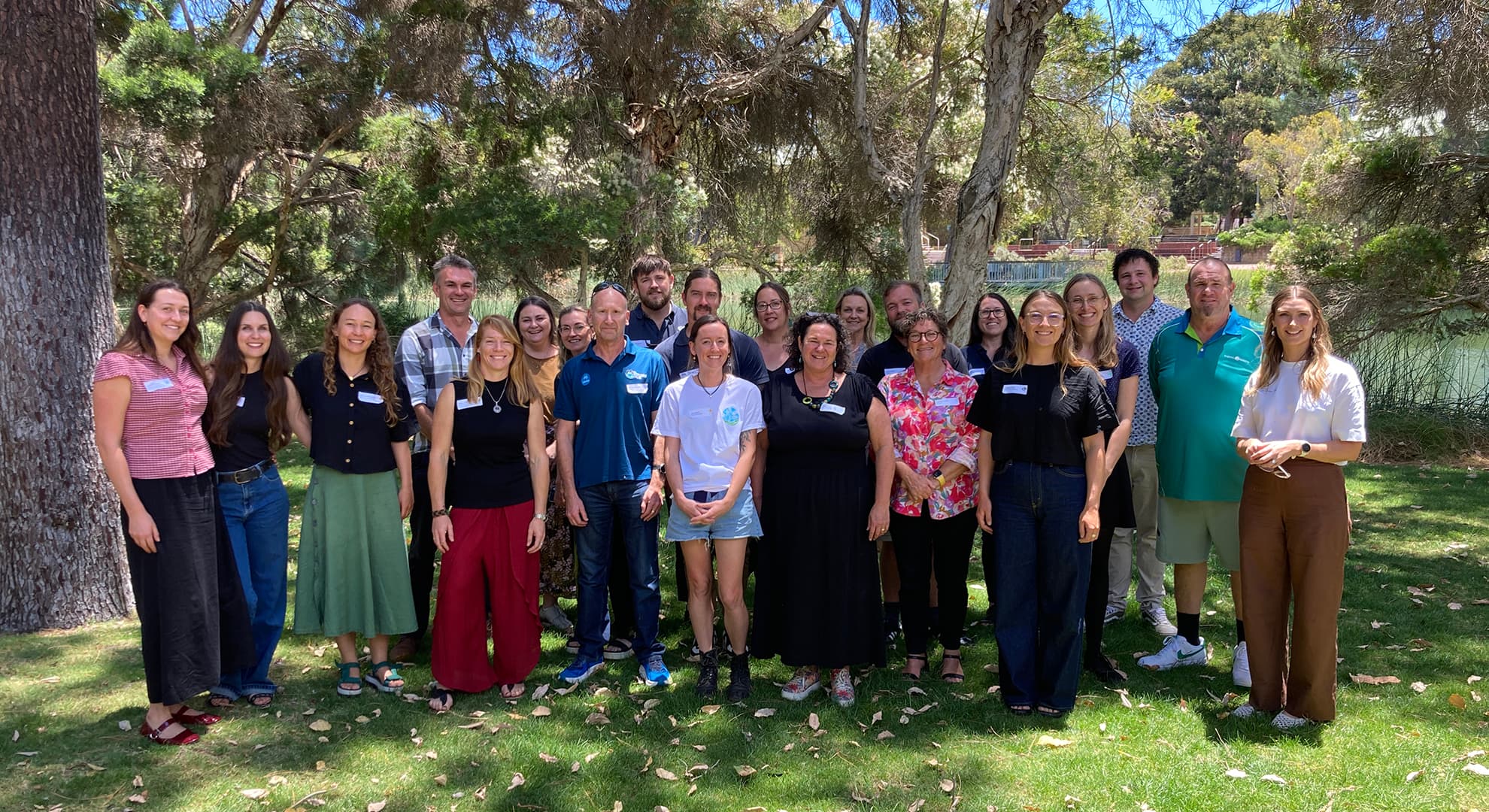
An initial workshop in November 2025 brought together a diverse group of stakeholders, including university, government, community industry and First Nations representatives.
The Seagrass Heatwave Collective, which was launched on World Seagrass Day, has three main objectives:
1 – Develop a network and improve early detection.
Existing monitoring efforts and citizen observations from across the state will be connected and strengthened, with seagrass thermal thresholds and marine climate predictions combined to identify at-risk meadows and guide timely responses to marine heatwave events — building toward a predictive early warning system.
2 - Coordinate Marine Heatwave Response
The Seagrass Heatwave Collective will enable rapid, effective responses by coordinating partners and sharing practical tools and strategies at every stage of a marine heatwave event.
3 - Communicate and connect
Building inclusive networks that bring together communities, scientists, rangers and managers around a shared understanding of seagrass and marine heatwaves - with communication that is fast, clear and community-informed.
For more information or to get involved, visit the Seagrass Heatwave Collective.