 iStock: sittithat tangwitthayaphum
New research from Edith Cowan University (ECU) has found that Australians broadly support voluntary assisted dying (VAD) as an end-of-life choice, but most believe access should remain limited to people experiencing terminal illness or a significantly reduced quality of life.
The research surveyed 704 Australian adults and is believed to be the first large-scale study investigating public attitudes towards VAD. Researchers investigated what people think about VAD regardless of age and/or health status, i.e., beyond the endorsed eligibilities, and whether views differ depending on factors such as background, personal experiences and life stage.
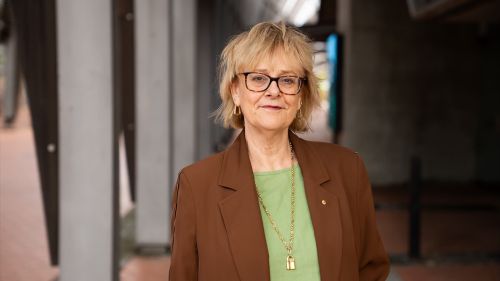
Lead researcher Associate Professor Eyal Gringart said the research began in 2021 as interest in VAD grew and legislation was being introduced across Australia.
"The project was inspired by conversations about end-of-life choices occurring across the country at a time when VAD legislation was progressing through different states and territories," Associate Professor Gringart said.
"Our earlier qualitative research explored older adults' views of VAD. This study built on that work by developing a survey that examined attitudes across the broader Australian community."
The study found many Australians view VAD as a fundamental human right and want the option to be available should their quality of life deteriorate significantly. However, support was conditional. Participants generally supported current eligibility criteria and opposed extending access to people on the grounds of mental illness or to those who wished to end their life regardless of their health status.
The research also found Australians would like more conversations about end-of-life choices and place a high value on dignity and personal choice when considering care at the end of life.
"People told us they want more discussion about end-of-life options," Associate Professor Gringart said.
"Many saw VAD as a form of reassurance, knowing the option would be available if they were facing an incurable illness or severe decline in their quality of life. At the same time, they were thoughtful and cautious about who should be eligible."
The study identified religious affiliation as the strongest factor associated with lower levels of support for VAD, while women and people with previous experience of euthanasia or VAD were generally more supportive.
One finding that surprised the researchers was that respondents with higher levels of education were somewhat less permissive towards VAD than previous studies had suggested.
The paper 'Community Attitudes Towards Voluntary Assisted Dying: Beyond Endorsed Eligibilities' is published on the journal OMEGA: Journal of Death and Dying. ECU Authors Eyal Gringart, Craig Phillips and Deidre Drake.