 Election to the AAHMS is one of the highest honours in Australia for health and medical researchers.
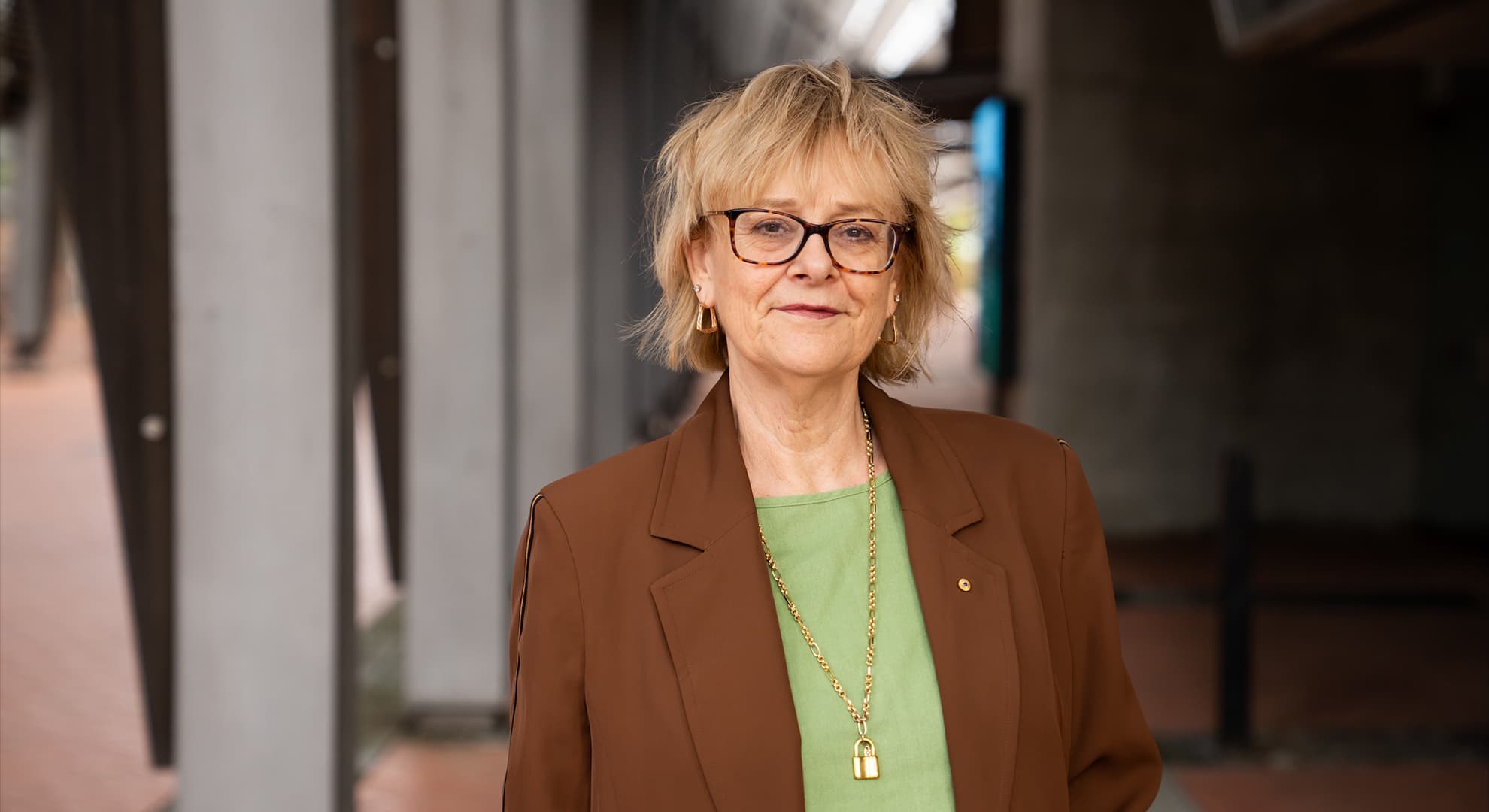
Edith Cowan University (ECU) Vice-Chancellor Professorial Research Fellow - Injury Prevention and former Deputy Vice-Chancellor (Research) Professor Caroline Finch AO has been inducted as one of 29 new Fellows into the Australian Academy of Health and Medical Sciences (AAHMS).
Election to the AAHMS is one of the highest honours in Australia for health and medical researchers; one of five members of the Australian Council of Learned Academies (ACOLA), AAHMS fellows are elected by their peers for exceptional contributions to health and medical science research.
Only three of the 29 researchers elected to the Academy in 2026 come from Western Australian higher learning institutions.
Professor Finch's place among the prestigious cohort of less than 600 fellows within the Academy is a just deserved reward for a career that has seen her become one of the 10 most highly published injury researchers of all time, worldwide.
Through her dedication to sports medicine research with a focus on injury prevention, Professor Finch has authored more than 800 research publications and earned more than $24 million in research funding.
As an AAHMS fellow, Professor Finch will perform several impactful roles, including shaping national health policies, providing independent, evidence-based advice to government, and mentoring early and mid-career researchers.
Professor Finch says she's excited to take part in the collaborative environment fostered within the Academy to provide sound government and public trust advice.
"Within the Academy, it's the celebration of difference, and coverage of the areas that matter, as opposed to many of the times we're competing in our narrow lane, and we're competing for funding, competing for recognition, and it's highly competitive," Professor Finch said.
"Here it's more collegiate; someone who is a child immunologist can recognise what I've done in injury prevention, and I can recognise what someone in paediatric medicine has done.
"That's what makes it great: we're out of our competitive silos for success to recognise health is holistic, covers multiple domains, and we need everything to be working perfectly for the sector.
"It's very humbling. You don't go into research because you want an award and recognition. When it comes, it's a bit surprising - but it's affirming.
"Research isn't easy, and it's getting harder to get funding, to get long-term partnerships, and to make an impact. But to get an award like this tells you all those efforts, all those difficulties, all those down times vanish. Because it's the end of the story that matters; recognising things are better for people because of the work."