 Credit: Maliev Oleksander
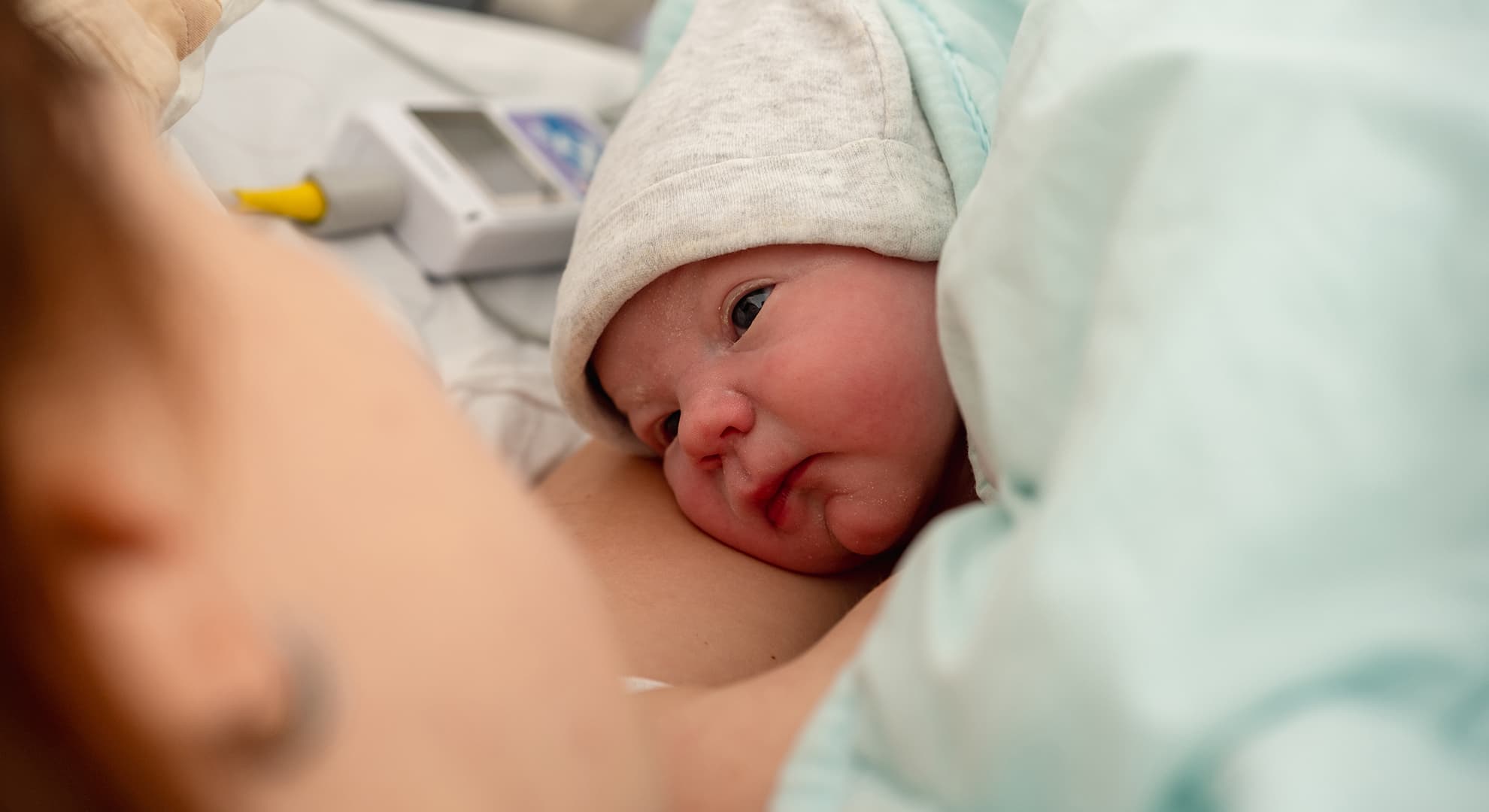
A common treatment given to thousands of women during labour could dramatically increase the risk of allergies in their babies, new research has revealed.
Scientists from Edith Cowan University and The Kids Research Institute Australia and The University of WA found babies exposed to antibiotics during labour were far more likely to develop allergy-related conditions in their first year of life.
The study followed more than 560 mothers and babies and uncovered an alarming trend.
Researchers believe antibiotics may be disrupting the healthy gut bacteria that help train a baby's developing immune system at a critical time around birth.
But there was good news.
Mothers who took a daily prebiotic supplement from the middle of pregnancy until six months after birth did not see the same spike in allergy risks in their babies.
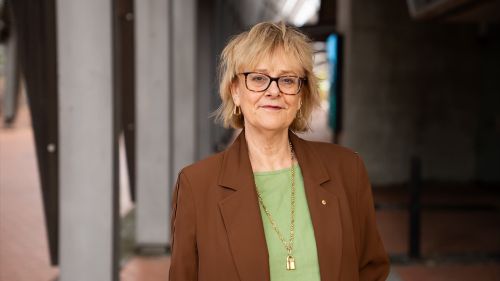
Lead author, ECU PhD student Summer Walker, said the findings could open the door to new ways of tackling Australia's growing allergy crisis.
"Antibiotics during labour can be lifesaving and should always be used when medically necessary," Ms Walker said.
"However, our findings suggest there may be unintended effects on a baby's developing immune system. Importantly, we found that mothers taking prebiotics did not show the same increase in allergy-related outcomes in their children."
About one in seven mothers in the study received antibiotics during labour, most commonly to prevent the spread of Group B Streptococcus (GBS), a potentially dangerous infection for newborn babies.
Among mothers who did not take prebiotic supplements, antibiotics given during labour were linked to:
- More than three times the risk of allergy sensitisation
- Nearly six times the risk of food allergies
- More than six times the risk of atopic eczema
Australia has some of the highest childhood allergy rates in the world, with growing numbers of children affected by food allergies and eczema.
The researchers found no significant increase in allergy risk from antibiotics taken at other stages of pregnancy, during breastfeeding, or by babies themselves in the first six months of life.
More than 80 per cent of mothers in the study were exposed to antibiotics at some point between mid-pregnancy and six months after birth, showing just how common the treatment is.
Researchers stressed the findings are not a reason for women to refuse antibiotics when recommended by their doctors.
The study, Maternal Prebiotic Supplementation Modifies Associations Between Intrapartum Antibiotics and Infant Allergy, has been published online in Allergy: European Journal of Allergy and Clinical Immunology.