
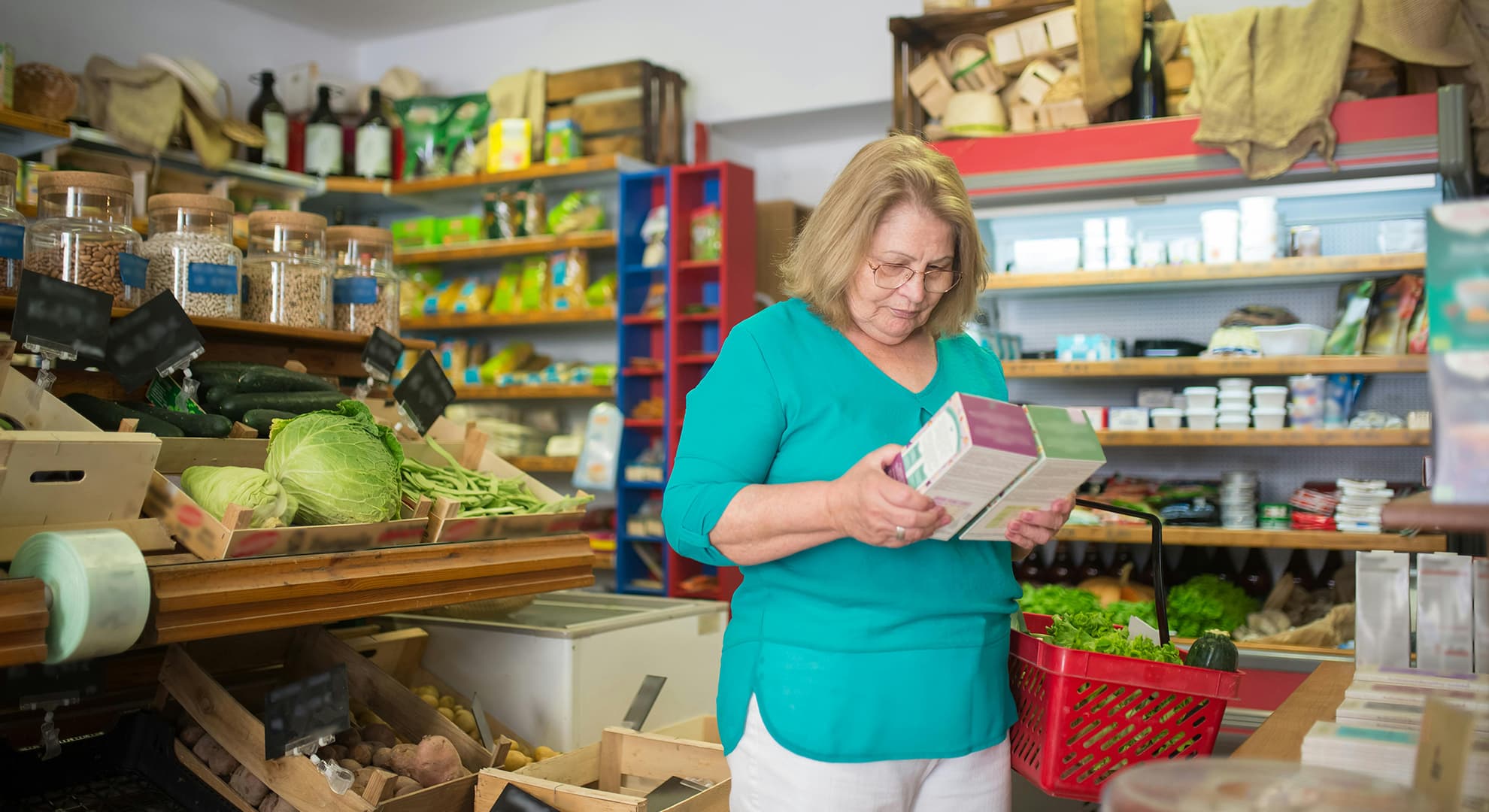
 Food Action Groups are able to prioritise sales for local businesses by ensuring small suppliers are not outbid by large distributors.
Recent discussions between researchers from Edith Cowan University (ECU) and focus groups in rural and regional Western Australia have highlighted the need for local governments to play a bigger role in improving access to fresh, healthy food.
In investigating the proposed impact and anticipated barriers of establishing Food Action Groups across rural, regional and remote WA, Dr Stephanie Godrich from ECU's Nutrition & Health Innovation Research Institute hosted 19 focus groups across 11 towns and eight regions in the State.
"Food Action Groups are collaboratives that bring together interest holders working across the food supply chain to identify local food issues and co-create policy or programmatic solutions, often with the aim of achieving sustainable food systems," she said.
Previous research has shown that Food Action Groups could have a positive impact on multiple food system domains through a variety of food supply chain activities, including:
- establishing and extending school meal programs
- improving food literacy and knowledge of sustainable eating practices among adults and children through nutrition education programs
- implementing local food procurement strategies to improve access to healthy food
- reducing food waste through initiatives such as zero waste cafes.
Food Action Groups are also able to prioritise sales for local businesses by ensuring small suppliers are not outbid by large distributors.
"However, barriers also exist that impede the effectiveness of Food Action Groups, and our discussions with the focus groups were able to highlight some of these. These barriers include the necessary personnel to drive action, limited capacity and local buy-in, a lack of funding, barriers relating to group structure, government rules and regulations, production, processing and distribution challenges, and conflicting priorities among interest holders," Dr Godrich said.
She noted that the focus groups had highlighted the need for government advocacy to support local commercial food production, processing, and sales in order to retain food within its region of origin.
"Research shows Australian local governments have practical, proven options to improve access to fresh, healthy food, from allowing food to be grown on public land and protecting food-producing areas through planning, to supporting farm-gate sales and local markets.
"While many of these approaches have been used in cities, they can be just as effective in regional, rural and remote communities, helping increase both access to and the viability of locally grown produce," Dr Godrich said.
"However, the evidence also highlights a major gap. Many community organisations and public health professionals don't have the skills or policy knowledge needed to advocate for food system change, and government staff are often limited by political sensitivities. Addressing these barriers will be critical if we're serious about improving fresh fruit and vegetable access for regional Australians."
Dr Godrich noted that further consultations have now taken place with two proposed pilot Food Action Group sites, Narrogin and the Central Great Southern communities of Katanning, Kojonup, Broomehill-Tambellup, and Gnowangerup. Funding is being sought to implement these two first Food Action Groups, with the hope that subsequent models would be established across other regional, rural, and remote WA towns in coming years.
This work is supported by the Western Australian Future Health Research and Innovation Fund, which is an initiative of the WA State Government.
The paper, The Proposed Impact and Anticipated Barriers of Establishing Food Action Groups in Rural, Regional, and Remote Western Australia, was published in the Journal of Nutrition Education and Behaviour.