 The ECU study has informed a new Indigenous-centred consumer decision-making journey framework.
A new study from Edith Cowan University (ECU) has explored the decision-making process of Indigenous Australian students in pursuing higher education (HE). The research aims to enable universities to attract and retain more Aboriginal students.
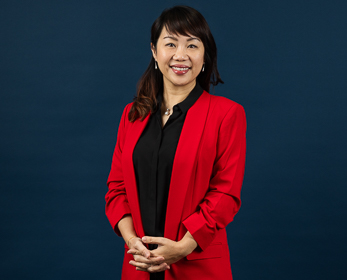
Led by Dr Melissa Fong-Emmerson from ECU's School of Business and Law, the findings identified key factors that influence university enrolment decisions, and how these shape Aboriginal students' educational pathways.
Using a narrative inquiry approach including individual storytelling and focus group discussions, the research team explored the lived experiences of Indigenous students from two Western Australian universities. These insights informed a new Indigenous-centred consumer decision-making journey framework.
"Through written autobiographies, yarning sessions and one-on-one interviews, Aboriginal and Torres Strait Islander participants shared rich, nuanced insights into their journeys to higher education," Dr Fong-Emmerson said.
Centring Indigenous perspectives
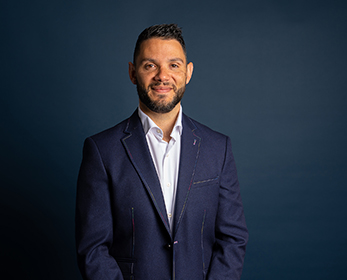
Professor Braden Hill, a Noongar (Wardandi) man and Deputy Vice-Chancellor (Students and Education) at ECU and co-author, said the study aims to address the current knowledge-gap in understanding educational choices made by Indigenous students, and their participation at university.
"Aboriginal and Torres Strait Islander participation is a national priority. We know that Universities Australia and the Australian Government are committed to improving higher education outcomes for Indigenous peoples. However, achieving this remains challenging in a sector predominantly shaped by non-Indigenous leadership, cultural norms and commercial pressures," Professor Hill explained.
Dr Fong-Emmerson said one of the biggest barriers is challenging systemic inequities in the student decision-making journey.
"University marketing has long relied on linear, Western-centric models that don't reflect Indigenous realities, as a result, there is still limited understanding of what motivates and attracts Indigenous students, and which messages, touchpoints and engagements genuinely resonate with them in their journey to higher education," she said.
The researchers are urging the university sector and higher education leaders to review and strengthen their Indigenous student marketing and engagement strategies in line with the priorities of the Australian Universities Accord.
"To grow Aboriginal and Torres Strait Islander graduate numbers, universities must prioritise culturally responsive support that not only attracts students, but ensures they are supported to succeed from enrolment through to graduation," Dr Fong-Emmerson said.
As funding settings evolve under the Australian Universities Accord, universities will need to rethink how they attract and recruit students.
The role of marketing
Dr Fong-Emmerson said the study presents an adapted consumer decision-making framework that is genuinely grounded in Indigenous worldviews.
"Indigenous students' university decision-making is relational, community-driven, and culturally grounded. Our research centres Indigenous student voices, showing university choice is not shaped by rankings or marketing but by trust, relationships and cultural safety. This framework highlights the need for tailored, culturally responsive and inclusive marketing strategies to encourage, empower, and attract Aboriginal and Torres Strait Islander students to apply to study at university," Dr Fong-Emmerson said.
The framework encourages higher education providers to avoid a ‘one-size-fits-all' approach to marketing and attracting students.
"By centring Indigenous voices, our research advances theoretical understandings and offers practical solutions to increase Indigenous student access, participation, and equity in higher education," she said.
Igniting the spark
Encouragingly, the research identified the pivotal role of "sparks"— moments that help normalise higher education as a real possibility for Aboriginal and Torres Strait Islander students.
"What we found is when Aboriginal and Torres Strait Islander students begin to seriously consider the life-changing decision to apply to study at university, often involving moving away from family and their communities, it is prompted by a conversation or interaction with a trusted person who sparks the idea that university is possible and achievable," Professor Hill said.
This "spark" often occurs well before Aboriginal and Torres Strait Islander students apply to university, shaping early recognition of higher education as a possibility, and highlighting the influential power of relationships and lived experience.
"Interestingly, Indigenous students reported limited reliance on formal information sources such as brochures, websites, and open days. Instead, many draw on trusted relationships, role models and family guidance when making decisions, alongside factors such as cultural safety, Indigenous support services, flexible learning options and authentic inclusion," Dr Fong-Emmerson said.
"Universities must be clearer about why Indigenous people, families and communities should invest their time, energy and hope in higher education. That case must be communicated in ways that reflect the lived realities, needs, and aspirations of Aboriginal and Torres Strait Islander people. One size does not fit all, particularly given the long history of Indigenous exclusion from universities," Professor Hill said.
Practical solutions for universities
The ECU research team implored universities to adopt a strength-based approach and think beyond a linear marketing-communications strategy when engaging Aboriginal and Torres Strait Islander students by:
- Building trust alongside authentic inclusion and visibility
- Prioritising belonging, cultural safety, and academic support in marketing outreach
- Co-designing with communities
- Strengthening partnerships with Indigenous centres and communities
- Investing in Indigenous mentors and school relationships.
"Our framework calls on higher education providers to centre Indigenous voices and cultural perspectives and to work in partnership with Indigenous communities and government. This means looking more deeply at the journey to higher education, with a focus on representation, belonging, connection, and early exposure to university," Professor Hill said.
The study Understanding the journey to higher education: Decision-making insights from Aboriginal and Torres Strait Islander students is published in the Higher Education Research & Development (HERD) journal.