How a quick scan can detect dementia risk
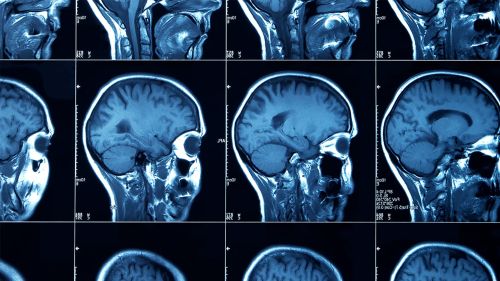
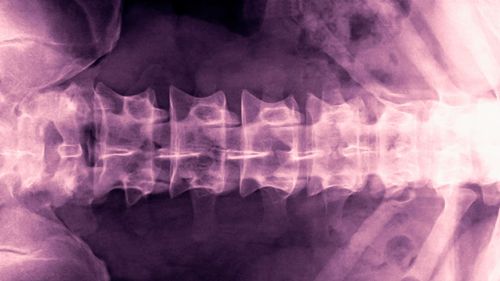
ECU research finds that common bone density scans can detect abdominal aorta plaque, a key marker for dementia risk.

Our research on the prevention, detection and management of disease and injury transcends medical practice, driving health outcomes and quality of life at a global scale.
ECU research finds that common bone density scans can detect abdominal aorta plaque, a key marker for dementia risk.
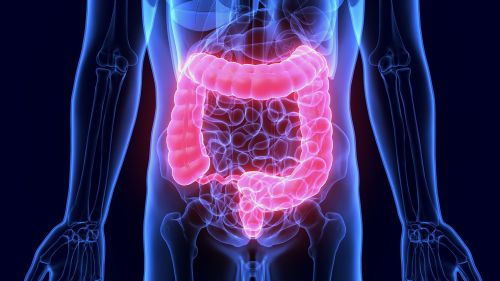
A world-first ECU study has confirmed the link between Alzheimer's Disease (AD) and gut health, which could lead to earlier detection and new potential treatments.
New research from ECU has found that a daily cuppa (among other things) could help you enjoy better cardiovascular health late in life.
New research from ECU has shown that exercise causes muscles to secrete proteins called myokines into our blood that can suppress tumour growth and even help actively fight cancerous cells.
ECU research has found 20 proteins in cricket-based food products that could trigger severe allergic reactions in those consuming these nutrient-rich insects.
For more than 15 years ECU's Exercise Medicine Research Institute has been at the forefront of the science and clinical practice behind exercise oncology.
Researchers from the Australian Centre for Research into Injury in Sport and its Prevention (ACRISP), are collaborating with sports bodies worldwide to turn elite-level research into practical benefits for sport and public health.
ECU's disaster expert Associate Professor Erin Smith's research into the impact on first responders has uncovered the startling psychological trauma that remains long after the crisis subsides.
Researchers from ECU are at the forefront of the fight against water-related diseases in the IndoPacific Region, with a focus on Fiji.
Artificial Intelligence, or AI, is a gamechanger in the field of medical research, transforming clinicians' ability to accurately and rapidly diagnose disease. Professor David Suter is spearheading ECU's efforts in this exciting area.
ECU's Professor Wei Wang, who coined the term in 2009, and has developed a tool to measure suboptimal health status, says the concept is the key to delivering predictive, preventive, and personalised medicine.
ECU researchers have developed a new assessment tool that can predict the onset of Huntington's disease, paving the way for more targeted treatment for sufferers of this rare genetic disorder.
Researchers have developed a way to use data already gathered in Australia's most commonly ordered blood test to detect the iron overload disorder HFE Haemochromatosis.
Today, modern science is uncovering mounting evidence for a group of compounds with the potential to help ward off an early death.
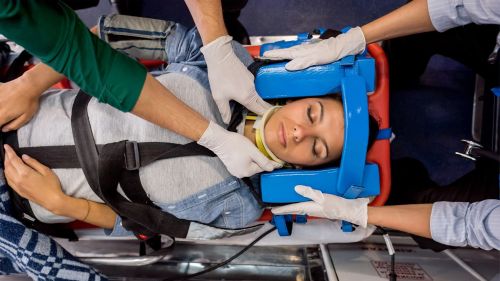
The Virtual Reality Mass Casualty Triage Simulator, developed by a team of researchers at ECU, is an innovative educational application that provides high fidelity training for mass casualty incidents to paramedics and tertiary paramedical science students.
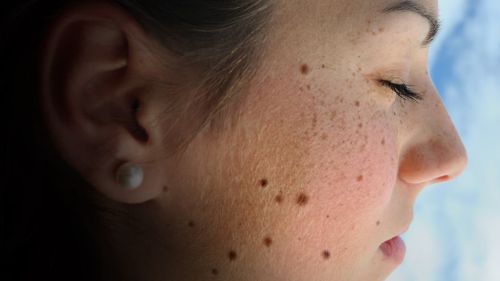
ECU researchers have developed the world's first blood test capable of detecting melanoma in its early stages, a breakthrough that will save thousands of lives, as well as millions of dollars for the health system.
ECU's Melanoma researchers have teamed up with artificial intelligence specialists to develop a way to use the technology to accurately and more quickly identify cancer cells circulating in the blood.
Bone density scans that are routinely performed to identify the risk of fractures could also give and early warning for heart attacks and strokes, new research has found.
A form of strength training rarely used on spinal cord patients due to concerns about its intensity has been shown to deliver a raft of health benefits in a small but potentially ground-breaking study by ECU.
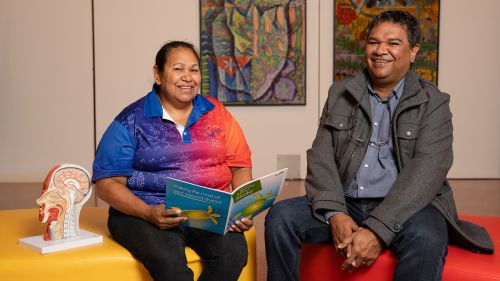
ECU research is driving the provision of critical rehabilitation for brain-injured Indigenous patients otherwise hindered by geographical and cultural barriers.
Professor Caroline Finch at ECU in Perth, Australia, is ensuring competitors at every level stay on the field, thanks to her research on sports-injury prevention, education and awareness.
For all queries from journalists, official statements from the University or to speak to one of our subject matter experts, please contact our Media and Communications team.
Telephone: +61 8 6304 2222
Email: pr@ecu.edu.au
Social: follow us on X