
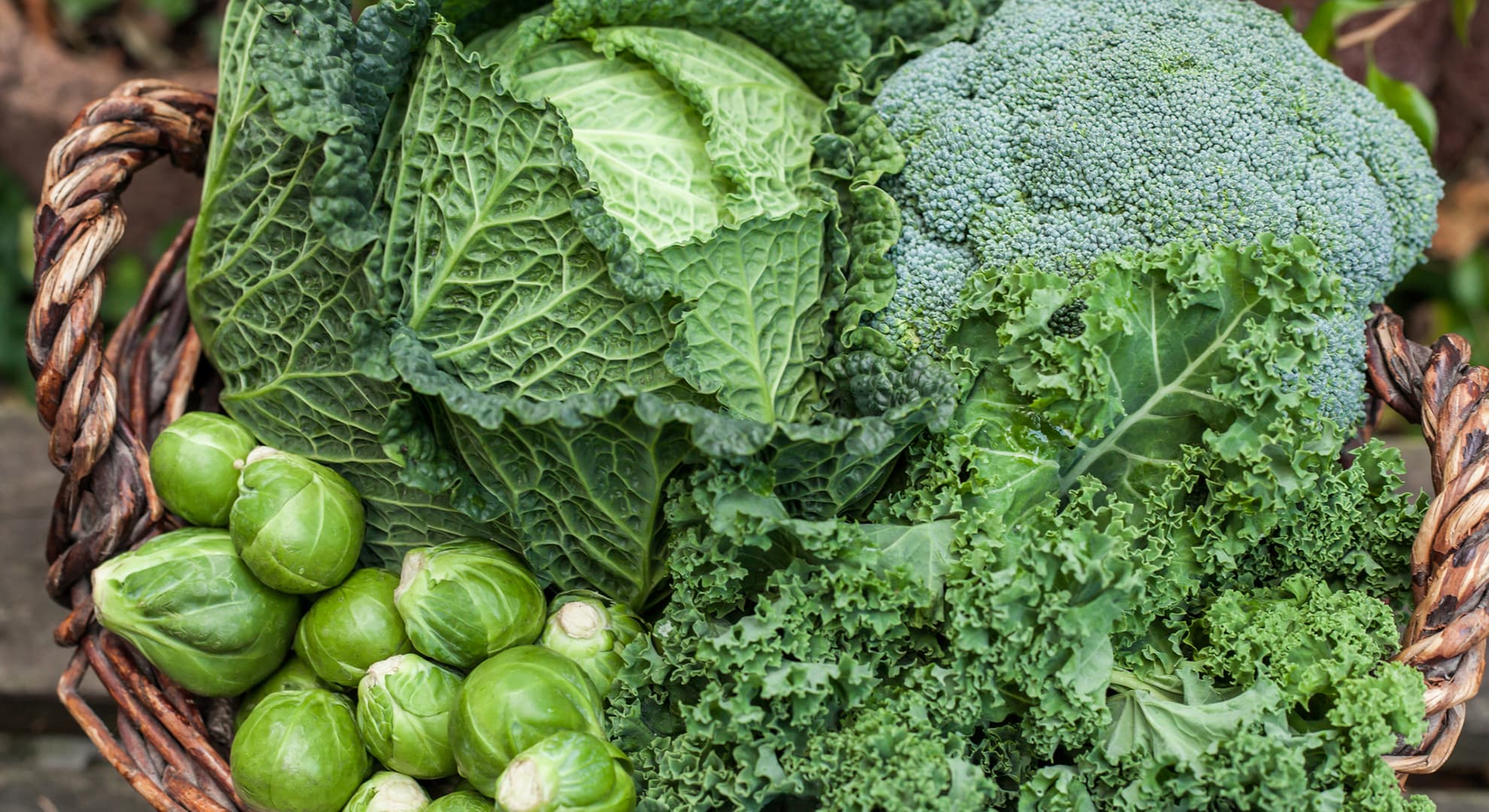
 Leafy greens such as kale and broccoli can help protect your lungs
Researchers from ECU's Nutrition and Health Innovation Research Institute looked at the two main forms of vitamin K in our diet: K1, found in foods like spinach, kale and broccoli, and K2, found in meat, eggs and dairy.
They discovered that those who ate the most vitamin K1 were less likely to develop chronic obstructive pulmonary disease (COPD).
Almost half a million Australians have COPD, a life-threatening and worsening lung condition that makes it hard to breathe.
The findings suggest that adding more greens to your plate could help keep your lungs in better shape as you age.
"We tracked more than 179,000 adults over a decade and found that people who ate more vitamin K1-rich green vegetables had better lung function and were less likely to develop COPD," ECU researcher Chengfeng Li said.
"Just one extra serve of leafy greens like kale, about one and a half to two cups a day, is an achievable way to boost your vitamin K1 intake."
The study found that those with the highest intake of vitamin K1 had about a 16 per cent lower risk of COPD compared to those eating the least.
They also had better lung performance, meaning their lungs could hold and move more air, a key sign of good respiratory health.
"Vitamin K likely activates a protein that protects the lungs' elastic fibres - the tiny structures that let your lungs expand and contract," Associate Professor Marc Sim said.
When these fibres break down, breathing becomes harder over time. This nutrient may help keep lung tissue flexible and prevent damage.
The second type, vitamin K2, showed no benefit for COPD risk, though it was linked to somewhat better lung function at moderate intakes.
The researchers think the same protective mechanism probably applies to vitamin K2, but any benefit may be masked by what it's eaten alongside.
K1-rich leafy greens, by contrast, come with their own bonus nutrients like fibre and antioxidants that may boost the effect, while K2's main sources, including processed and red meat, are linked to poorer health outcomes.
The study also found no link between vitamin K and asthma, suggesting vitamin K may be more relevant for long-term lung damage rather than allergic conditions.
And while the boost from greens appears favourable, researchers are clear on one thing: it won't cancel out smoking.
"The biggest thing you can do for your lungs is to quit smoking and reduce your exposure to environmental pollution," Mr Li said.
"But a healthy diet may still play a supporting role by counteracting some of the damage caused by these harmful factors."
"Eating more leafy greens is a simple step that could help support lung health over time."
This study was conducted by Chengfeng Li as part of his PhD research, with supervision from Pratik Pokharel, Marc Sim, Kevin Murray, Catherine P. Bondonno and Nicola P. Bondonno. The full research team included Chengfeng Li, Dr. Pratik Pokharel, A/Prof. Marc Sim, A/Prof. Kevin Murray, A/Prof. Catherine P. Bondonno, Dr. Benjamin H. Parmenter, Dr. Liezhou Zhong, Montana Dupuy, Dr. Howraman Meteran, Professor Jette Jakobsen, Professor Allan Linneberg, Professor Tilman Kühn, Professor Aedín Cassidy and Dr. Nicola P. Bondonno.
The study, Dietary vitamin k intakes, chronic obstructive pulmonary disease, adult asthma, and lung function: a prospective cohort study in the UK Biobank, is published online in The American Journal of Clinical Nutrition.