 iStock: monkeybusinessimages
New research has found 88 per cent of parents' support Australia's under-16 social media ban, despite the majority using social media every day themselves.
The report by Edith Cowan University (ECU) and Playgroup WA surveyed 726 Western Australian parents with children aged 0 to 8 about their use of social media and how it impacts parenting.
It found social media is deeply embedded in family life, with parents relying on it daily for information, support and connection, while increasingly recognising its risks and backing stronger protections for children online.
Key findings
- 88% support the under-16 social media ban
- Of the 92% surveyed who use social media, 96% use social media every day
- 99% access social media via a mobile phone
- 44% say social media has a somewhat or extremely negative impact on their lives
- Nearly half say 16 or older is the right age for a child to have an internet-enabled smartphone
- Facebook remains the dominant social media platform, followed by Instagram.
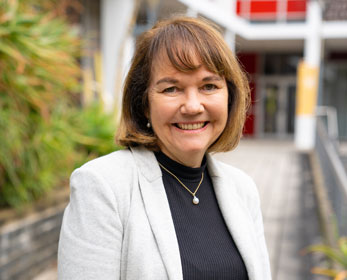
ECU Researcher and Senior Lecturer Dr Catherine Archer, who conducted the research with Playgroup WA, said the study is believed to be one of the first to examine parents' views on children's social media use since Australia's social media ban legislation was introduced.
"Parents of young children in the survey overwhelmingly support the under-16 social media ban," Dr Archer said.
"However, the vast majority use social media every day, generally for one to two hours a day or more."
Parents want to delay children's access
Parents expressed strong support for delaying children's access to social media, citing concerns about children's vulnerability, brain development, bullying, addiction and online predators.
Nearly half of parents said children should be 16 or older before having an internet-enabled smartphone.
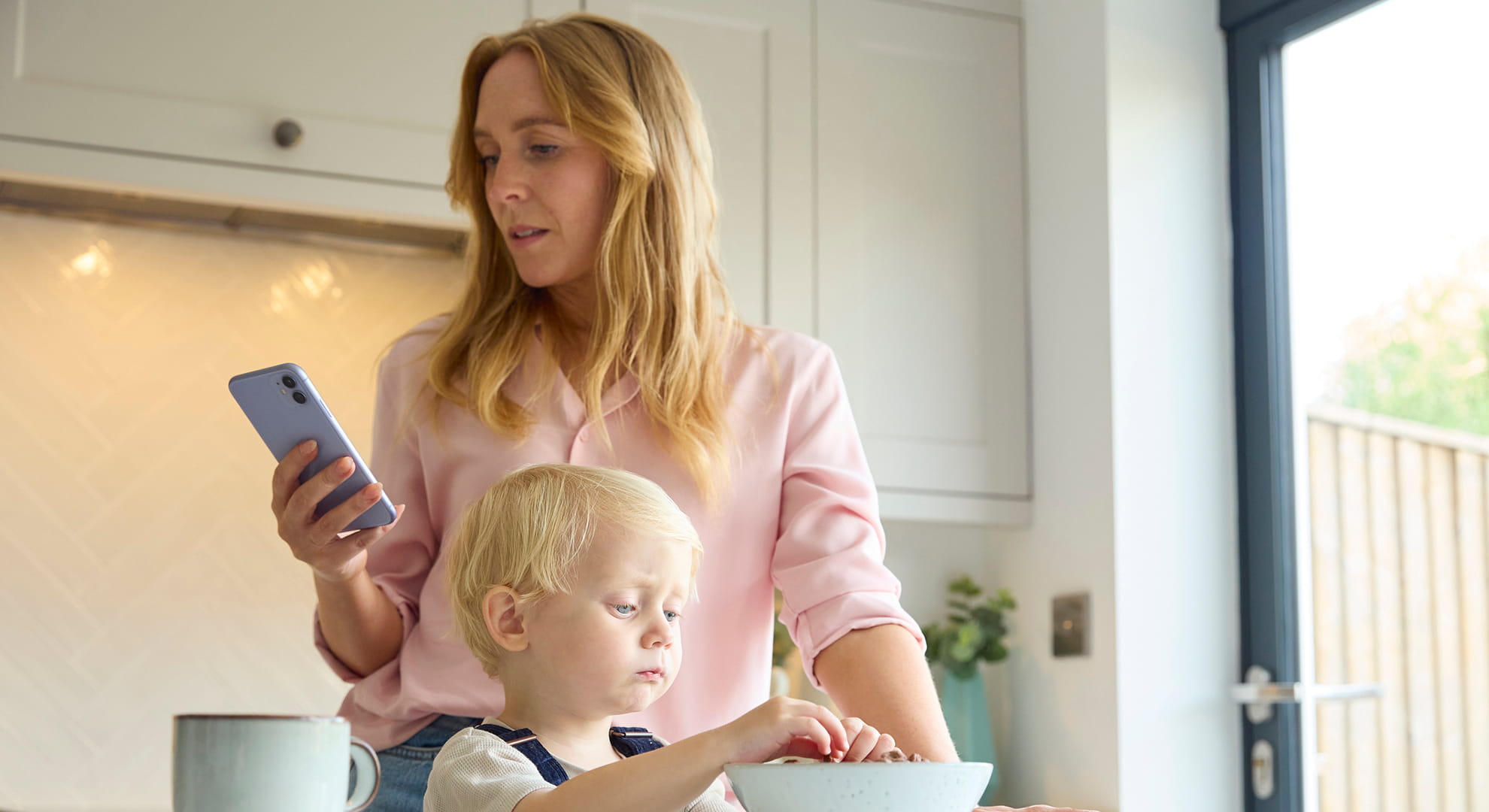
Dr Archer said the findings highlight a striking contrast between parents' own social media habits and what they want for their children.
"It surprised me that parents are so much in favour of a social media ban for their kids and yet use it so much themselves," she said.
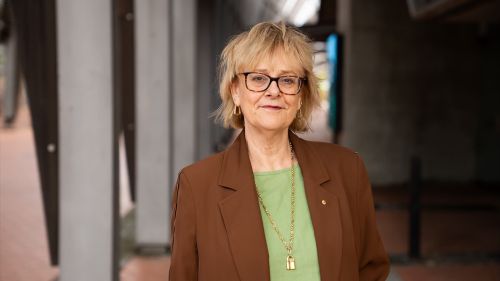
Annette Harwood, CEO of Playgroup WA, said the findings reflect what families tell the organisation every day.
"What this research tells us is that WA parents are not anti-social media for themselves, far from it. They use it every day, and many get value out of it," Ms Harwood said.
"But precisely because they live with these platforms daily, they understand the risks and complexities. That's exactly why they're asking for stronger protections for their children, not necessarily because they're rejecting social media altogether, but because they know it intimately and want to protect their children from any negative impact."
Valued but not without costs
Parents said social media helps them stay connected with family and friends, keep up with news and community events, and access parenting information when they need it, often after their children are asleep.
At the same time, many parents described social media as addictive and linked it to doomscrolling, comparison culture, misinformation and exposure to scams.
"The same experience that makes social media useful for parents also appears to make them more aware of the risks it can pose to children," Dr Archer said.
"Of those surveyed, 44 per cent of parents believe social media has a somewhat or extremely negative impact on their lives, compared with 22 per cent who said it has a positive impact."
Privacy concerns
"The research showed parents are concerned about their children's privacy, yet surprisingly 67 per cent of parents reported posting photos of their children online," Dr Archer said.
Support for families
"Parents are telling us they need a trusted partner to help them navigate this, not judgment," Ms Harwood said.
"That's the role we see for Playgroup WA: supporting families to make the most of what social media offers, while helping keep their children safe as they grow."
Ms Harwood said the findings reinforce the value of face-to-face connection for both parents and children.
"Play and real-world connection are fundamental to healthy child development, and playgroups give children and parents that face-to-face interaction that no screen can replace," Ms Harwood said.
"It's also where parents build their own support networks in person, alongside others going through the same stage of life."