
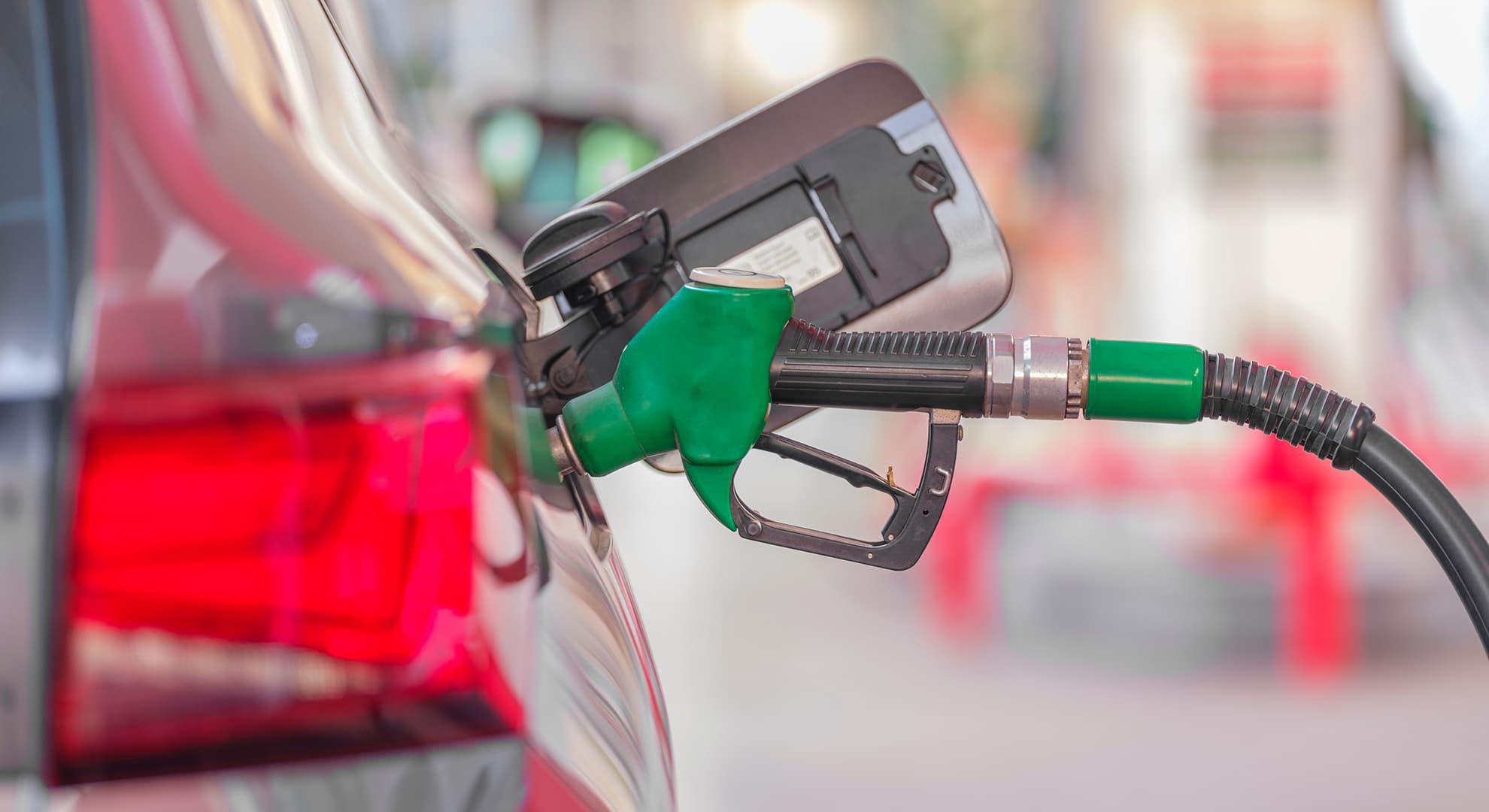
 The decision to adopt EV's is shaped by a complex combination of factors.
As Australian motorists continue to grapple with rising fuel prices and electric vehicle (EV) sales steadily increase across the country, new research from Edith Cowan University (ECU) has found that petrol costs alone are not the primary factor shaping drivers' decisions to switch to electric vehicles.
The study examined the relationship between fuel consumption habits, refuelling behaviours and willingness to adopt EVs among Australian motorists, and introduces a behavioural transition framework (BTVF) to explain EV adoption patterns in a more structured way. The findings challenge the common assumption that frequent petrol station visits or high fuel use are key motivators for transitioning to electric vehicles.
While technological advances in battery systems, charging infrastructure and renewable energy integration have accelerated EV uptake globally, the research highlights the importance of understanding the deeply embedded behaviours of drivers who continue to rely on internal combustion engine vehicles
"Australia remains at a relatively early stage of its vehicle electrification journey," Dr Ahdieh Sadat Khatavakhotan from the School of Business and Law said.
"Despite recent increases in EV sales, ICEVs still account for around 80 to 82 per cent of new vehicle registrations. Understanding how Australians interact with the existing fuel system is critical if we want to better understand what drives or hinders the transition to electric mobility."
Dr Navid Hashemi Taba from the School of Engineering said fuel use alone does not play a decisive role in shaping EV adoption decisions.
"Higher petrol consumption does not necessarily make motorists more willing to switch to an electric vehicle. Instead, decisions are influenced by a broader mix of behavioural and economic considerations," he said.
The research analysed vehicle registration data from the first quarter of 2022 to the third quarter of 2025 and found that while overall vehicle registrations remained stable, hybrid electric vehicles (HEVs) and battery electric vehicles (BEVs) consistently represented less than 20 per cent of new vehicle sales.
The study also surveyed more than 400 ICEV owners through face-to-face data collection, achieving a response rate of approximately 98 per cent, to investigate whether refuelling frequency influenced their willingness to adopt an EV. Half of respondents indicated they would consider switching to an EV, while 44 per cent said they would not, with the remainder undecided.
However, statistical analysis revealed no significant difference in refuelling frequency between motorists willing and unwilling to make the transition.
"The findings show that how often people visit a petrol station is not a reliable predictor of whether they intend to purchase an electric vehicle," Dr Khatavakhotan said.
"Refuelling routines appear to be habitual behaviours rather than factors that directly influence adoption decisions."
The research suggests that broader behavioural, economic and attitudinal considerations play a much greater role in EV uptake than fuel consumption patterns alone, consistent with the behavioural patterns identified in the proposed framework.
Previous studies have identified factors such as vehicle purchase costs, charging infrastructure availability, driving patterns, environmental attitudes and perceptions of vehicle range as important influences on adoption decisions.
Importantly, while direct petrol expenditure was found to have limited influence on adoption intentions, motorists who were particularly sensitive to petrol price fluctuations and fuel discount incentives appeared more interested in transitioning to electric vehicles.
"This suggests consumers are responding less to the amount of fuel they use and more to concerns about future energy costs and price volatility," Dr Khatavakhotan said.
"The decision to adopt an EV is shaped by a complex combination of behavioural, economic and policy factors."
The study also identified infrastructure limitations and vehicle affordability as ongoing barriers to EV adoption in Australia. At the same time, government initiatives such as the Australian Government's Powering Australia plan, along with lessons from international markets demonstrate how targeted incentives and supportive policies can accelerate uptake even where infrastructure challenges exist, highlighting the potential value of more behaviourally informed policy approaches.